By Neil Sinclair, Product Development Engineer at RGH Converting.
Published 13 August 2026 · Last updated 13 August 2026
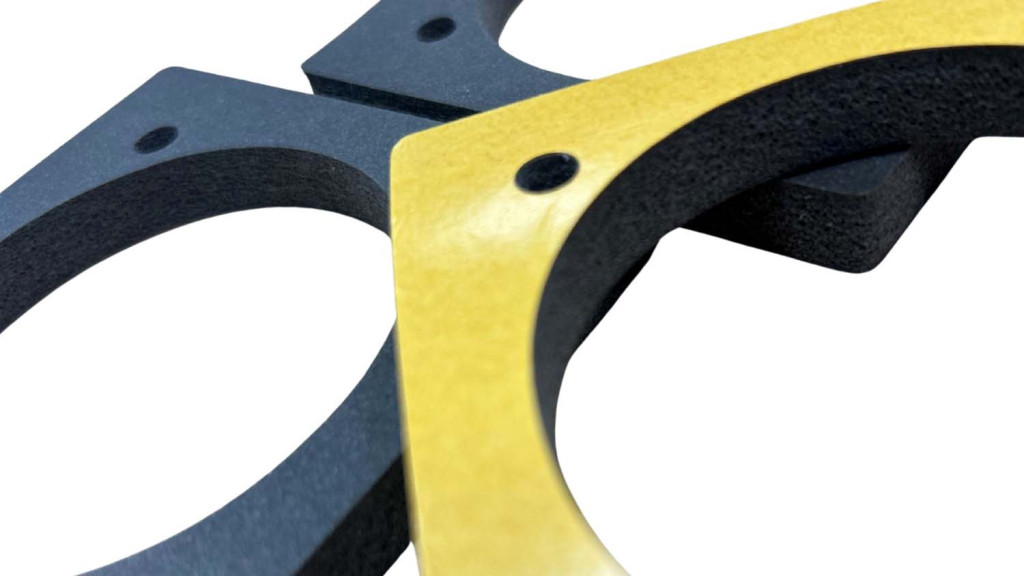
Foam gaskets are compressible sealing components cut from cellular materials like EPDM, neoprene, polyethylene, silicone sponge and polyurethane, used to seal joints against water, dust, air and noise wherever two surfaces meet. Specifying a suitable solution can be relatively easy, but a surprising number of enquiries arrive missing the details that decide whether the gasket seals, survives and can be quoted accurately. This guide covers exactly what a converter needs from you, how to choose the gasket material, and the specification details that separate a gasket that seals for a decade from one that has the potential to fail.
The six things a converter needs to quote your foam gasket
- 1. The geometry. A drawing or DXF with dimensions, and a note of which tolerances actually matter (and which do not; over-toleranced drawings cost money for nothing).
- 2. The job. What the gasket seals against: water, dust, air, oil, light, sound. And the environment: temperature range, UV exposure, chemicals it will meet.
- 3. The compression. How far the joint closes on the gasket, and whether it stays compressed permanently or cycles open and closed.
- 4. Material, or constraints. If you know you need silicone sponge or closed-cell EPDM, say so. If not, the environment and compression details above let a converter recommend one.
- 5. Adhesive backing. Plain, or self-adhesive on one face? And what surface will it stick to: metals and high-energy plastics are easy, powder coat and low-surface-energy plastics need the adhesive specified for them.
- 6. Quantities and compliance. Prototype, batch or production volumes, plus any standards the part must meet: UL 94 flammability, RoHS, REACH, or industry-specific requirements.
Send those six and you will get an accurate quote first time, usually with a material suggestion attached. Miss two or three and the first response is a list of questions instead of a price.
Choosing the gasket material
The first split is cell structure. Closed-cell foams have sealed gas pockets, so they resist water and compress like a spring: the default for sealing. Open-cell foams (including most polyurethanes) breathe, conform beautifully and recover well, suiting dust seals, cushioning and low-pressure sealing where water immersion is not the threat. Semi-closed grades sit deliberately in between, giving softer compression for uneven flanges.
| Material | Character | Choose it for |
|---|---|---|
| Closed-cell EPDM | The outdoor sealing workhorse; excellent water, ozone and UV resistance | Enclosure seals, exterior joints, general industrial gaskets |
| Semi-closed-cell EPDM | Softer compression with EPDM weathering | Uneven or clamped flanges that still need weather sealing |
| Neoprene sponge | Balanced all-rounder; moderate oil and flame resistance | General gasketing where oils or flame-retardant grades are needed |
| Silicone sponge | The widest temperature range of the common sponges; inert | High and low temperature extremes; food and medical grades |
| Polyurethane (incl. Poron) | Micro-cellular precision foam with very low compression set | Thin gaskets under permanent compression that stay sealed for years |
| PVC/nitrile foam | Good fuel and oil resistance; flame-retardant grades common | HVAC, automotive and fluid-adjacent sealing |
| Polyethylene foam | Lightweight, closed-cell foam with good moisture resistance, cushioning and insulation properties | Electrical enclosures, packaging, thermal insulation, vibration damping, general sealing and applications where low water absorption is important |
Characteristics are typical of each family. Density, compression set, temperature range and flammability rating vary by grade – confirm against the specific datasheet before specifying.
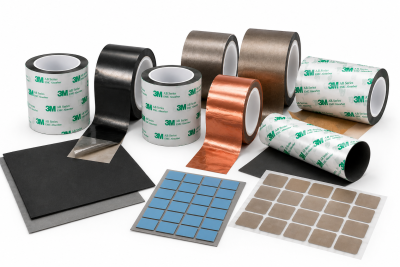
If the gasket also needs to conduct, shield or carry heat, you are into speciality territory: see our guides to EMI shielding gaskets and thermally conductive tapes.
The specs that decide whether it actually seals
- Compression set: the quiet killer. Squash a foam for months and some foams stay squashed, losing the spring force that makes the seal. Compression set is the percentage of thickness the material fails to recover. For gaskets under permanent clamp load, a low compression set material (this is Poron's signature property) matters more than any headline softness figure.
- Compression range. Foam gaskets seal when compressed, typically by a defined percentage of their thickness. Specify thickness so the real joint gap, including its tolerance stack, lands inside the material's working compression range. Too little compression and it leaks; too much and you stress the foam and the fixings.
- Hardness and compression force. Sponge grades are specified by compression force deflection: how much force it takes to compress them. Lightly clamped plastic enclosures need soft grades; bolted metal flanges can take firm ones.
- Thickness and tolerance. Standard sheet thicknesses keep costs down; specify tight thickness tolerances only where the joint genuinely needs them.
- Adhesive and liner. A self-adhesive backing turns fitting into peel-and-stick, but the adhesive must match the surface (LSE plastics and powder coat need specific grades) and the liner should suit how your line handles the part.
- Environment and compliance. Temperature range, UV, fluids, and any certification: UL 94 flammability grades, RoHS and REACH are the common asks; sectors add their own (we run automotive work under IATF 16949).
How your gasket gets made (and why it changes the price)
RGH have a few conversion routes that cover almost every foam gasket, and choosing the right one is a cost decision as much as a technical one. Large presses and Flat-bed die-cutting use a steel-rule tool and suits larger parts, thicker foams and mid volumes with modest tooling cost.
Rotary die-cutting runs continuously from the roll for high volumes and tighter tolerance, and supports kiss-cutting: parts cut through the foam but not the liner, delivered on a roll for fast peel-and-stick assembly. Digital knife cutting needs no tooling at all, which makes prototypes and small batches quick and cheap, and lets you iterate the design before committing to a die. Open cell and semi-closed cell foams are more suited to flat bed tooling rather than digital cutting.
The practical upshot for buyers: prototype digitally, tool up when the design is stable, and tell your converter the expected volumes honestly, because the right route at 100 parts is the wrong one at 100,000.
The spec mistakes we see most often
The recurring ones: choosing hardness by finger-feel rather than compression force deflection. Specifying an open-cell foam where water sealing is needed. Choosing by thickness rather than compression - a 5mm foam isn’t necessarily suitable for a 5mm gap.
Tolerancing every dimension tightly instead of the ones that matter. Making the gasket too narrow - you may minimise material usage but sometimes a slightly wider seal can make the application considerably more robust.
And leaving adhesive backing as an afterthought, then discovering the standard PSA does not hold on a powder-coated enclosure. Every one of these is cheap to fix at the specification stage and expensive after tooling.
Frequently Asked Questions
Foam Gaskets FAQs
-
What is a foam gasket?
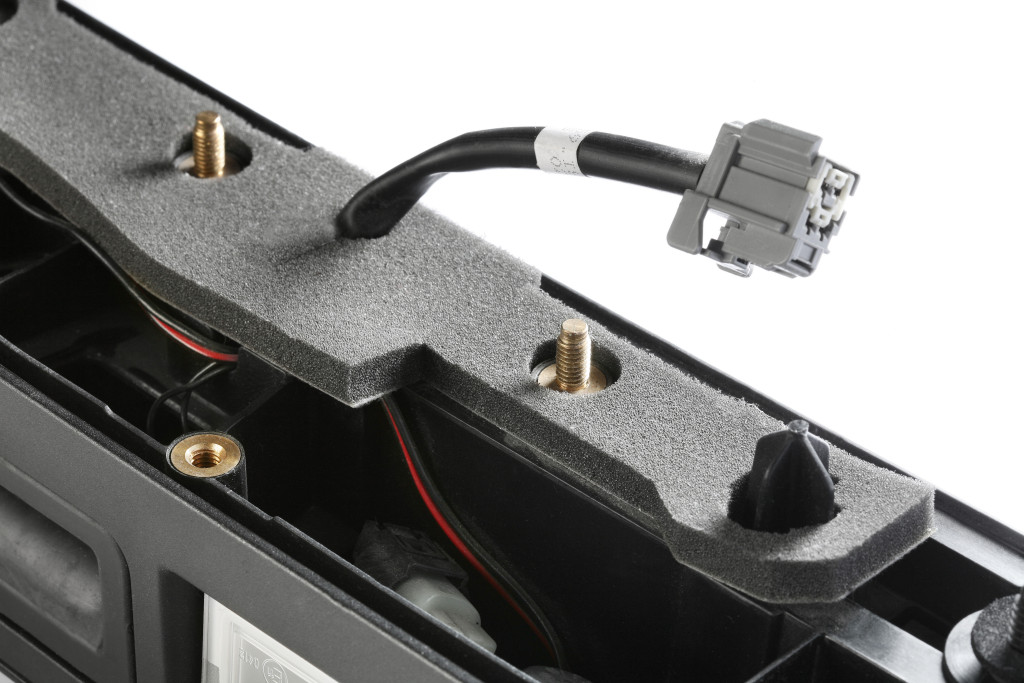
A foam gasket is a compressible sealing component cut from cellular rubber or plastic foam, fitted between two surfaces to seal against water, dust, air, light or noise. Unlike solid rubber gaskets, foam gaskets seal at low clamping forces, which suits enclosures, panels and assemblies that cannot be bolted down hard.
-
What is the best gasket material?
There is no universal best, only best for the environment. Closed-cell EPDM leads for outdoor and water sealing, silicone sponge for temperature extremes, PVC/nitrile for oils and fuels, and polyurethane foams like Poron for thin gaskets under permanent compression. The material follows from what the gasket must survive.
-
What is the difference between open-cell and closed-cell foam gaskets?
Closed-cell foam has sealed gas pockets, so it blocks water and air and compresses like a spring: the default for weather sealing. Open-cell foam has interconnected cells, so it breathes and conforms extremely well: better for dust sealing, cushioning and joints with large irregularities, but not for immersion.
-
What is compression set and why does it matter?
Compression set is the permanent thickness a foam loses after being held compressed. A gasket seals by pushing back against the joint; a material with high compression set stops pushing back over time and the seal fails, even though the gasket looks intact. For permanently clamped gaskets it is the most important number on the datasheet.
-
Can foam gaskets be supplied self-adhesive?
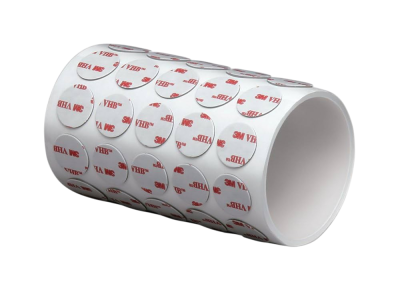
Yes, most foam gaskets are supplied with a pressure-sensitive adhesive on one face and a peel-off liner, turning fitting into a peel-and-stick operation. The adhesive is chosen for the surface it bonds to, and parts can be presented individually, on sheets, or kiss-cut on a continuous roll for production lines.
-
How do I get a custom foam gasket made?
Send a converter your drawing plus the six details at the top of this guide: geometry, sealing job, compression, material or constraints, adhesive backing, and quantities with any compliance needs. A good converter will confirm the material choice, prototype without tooling if the design might change, and move you onto production tooling when it is stable.
Get the spec checklist, or send us your drawing
Download our one-page foam gasket specification checklist [gated, mirrors the six points], or skip straight to a quote: send your drawing and application details and our technical team will come back with a material recommendation and price, with free samples cut to your drawing where a trial makes sense.